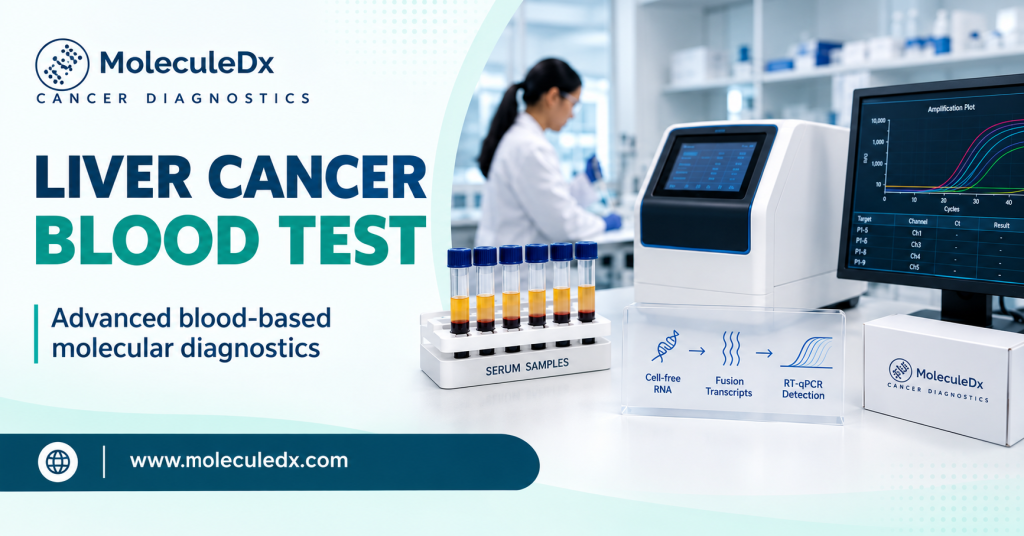
Early liver cancer detection matters because hepatocellular carcinoma is often found after symptoms appear. For people with known risk factors, regular screening and timely follow-up can help identify concerns earlier and guide next steps with a physician.
Why Early Detection Matters
Hepatocellular carcinoma (HCC) is one of the most survivable cancers — but only when found early. At Stage I or Stage II, long-term survival rates can reach up to 90 percent. By the time the disease reaches Stage III or IV, median survival drops to under 12 months even with aggressive treatment.
The problem is that early-stage liver cancer produces no reliable symptoms. There is no pain, no visible sign, and no warning the body sends before the disease progresses. Most patients feel completely normal until the cancer is already advanced.
This is what makes proactive early liver cancer detection so critical. Waiting for symptoms to appear means waiting until the window for curative treatment has often already closed. For people with known risk factors, structured screening is not a precaution — it is the medically appropriate response to a documented, elevated risk.
Who Is at Higher Risk for Liver Cancer?
HCC does not develop without underlying cause. It almost always arises in people with chronic liver conditions that create long-term cellular damage. If any of the following apply to you, early liver cancer detection screening is worth discussing with your physician:
- Liver cirrhosis of any cause — the single strongest risk factor for HCC
- Chronic hepatitis B infection — the most common cause of HCC globally
- Chronic hepatitis C infection — a leading driver of liver cancer specifically in the US
- Non-alcoholic fatty liver disease (NAFLD) or NASH — a rapidly growing HCC risk factor tied to obesity and type 2 diabetes
- Alcoholic liver disease from long-term heavy alcohol use
- Type 2 diabetes combined with liver disease
- Family history of liver cancer
According to data cited by MoleculeDx, over 700,000 high-risk Americans — those with cirrhosis, hepatitis B or C, or fatty liver disease — are currently not enrolled in any regular liver cancer screening program. Early detection begins with identifying which patients need monitoring and ensuring they have access to appropriate tools.
Common Screening Methods for HCC
Understanding the available HCC screening tools helps patients have better-informed conversations with their healthcare providers.
Abdominal ultrasound is the most widely recommended surveillance method for high-risk patients. It is non-invasive and broadly accessible. However, its real-world sensitivity for detecting early-stage HCC ranges from only 45 to 65 percent. In patients with obesity, advanced cirrhosis, or fatty liver disease, image quality is further reduced, making small tumors easier to miss.
AFP blood test measures alpha-fetoprotein, a protein associated with liver cancer. AFP has been used as a liver cancer marker since the 1970s and is typically performed alongside ultrasound. Its critical limitation is accuracy — AFP misses liver cancer in up to 40 to 50 percent of cases. Between 15 and 30 percent of HCC patients have entirely normal AFP values throughout their disease course. A normal AFP result alone does not rule out cancer.
Contrast-enhanced CT or MRI provides detailed imaging of the liver and is used for follow-up investigation when an abnormality is identified through ultrasound or AFP. These are not routine surveillance tools but play an important role after an initial concern is raised.
Blood-based molecular testing represents a newer approach to early liver cancer detection. Rather than measuring AFP, these tests analyze cancer-specific molecular markers in the bloodstream — such as RNA fusion transcripts — that are directly tied to the presence of HCC. This allows detection of liver cancer in patients with entirely normal AFP values, the exact group conventional screening fails most often.
Where Blood-Based Testing May Fit
MoleculeDx offers Fusion-detect™, a blood-based HCC screening test developed from research funded by the National Cancer Institute at the University of Pittsburgh School of Medicine.
The test identifies nine specific fusion transcripts — abnormal RNA molecules released into the bloodstream by liver cancer cells — and uses a machine-learning algorithm to produce a high or low risk result. In NCI-supported research published in the American Journal of Pathology, Fusion-detect™ achieved up to 95 percent accuracy in detecting hepatocellular carcinoma, including in patients with completely normal AFP levels.
About Fusion-detect™:
- 95% HCC detection accuracy
- Detects HCC cases that AFP testing misses
- Results returned within 24 hours
- At-home blood draw via certified phlebotomist or walk-in at any UPMC location
- Available across all 50 US states
- $160 for at-home collection
Fusion-detect™ is a screening support tool, not a diagnostic service. All results should be reviewed with a qualified healthcare provider.
Questions to Ask Your Doctor
If you have one or more liver cancer risk factors, consider raising the following with your physician at your next visit:
- Am I currently in a high-risk category for HCC based on my liver condition?
- What screening tools are most appropriate for my situation?
- How often should I be monitored given my specific risk profile?
- Are there blood-based testing options that may supplement my current surveillance plan?
- If my AFP is normal, does that mean I do not need further screening?
These questions open the conversation around proactive surveillance rather than waiting for symptoms to drive clinical action.
Frequently Asked Questions
Can liver cancer be found early? Yes, but it requires active screening in high-risk individuals. Early-stage HCC rarely produces symptoms. It is found early only when patients with known risk factors — such as cirrhosis or chronic hepatitis — undergo regular surveillance using appropriate tools. Blood-based testing such as Fusion-detect™ can detect HCC at Stage I and Stage II, when survival outcomes are significantly better.
What are common liver cancer risk factors? The most common risk factors for HCC in the US are liver cirrhosis, chronic hepatitis B infection, chronic hepatitis C infection, non-alcoholic fatty liver disease progressing to NASH, and alcoholic liver disease. Type 2 diabetes and a family history of liver cancer also elevate risk.
How often should high-risk patients discuss screening? This depends on the individual’s risk profile and should be determined by a qualified healthcare provider. Patients with cirrhosis or chronic hepatitis are among those for whom regular HCC surveillance is most commonly recommended. Speak with your physician to understand what frequency is appropriate for your situation.
What should I do if I am worried about liver cancer risk? Start by speaking with your primary care physician or a hepatologist. Share your risk factors — including any history of cirrhosis, hepatitis, or fatty liver disease. Ask about appropriate surveillance tools and whether blood-based testing options like MoleculeDx may be relevant to your situation. Early action is always better than waiting for symptoms.
connect with us : facebook , Instagram