How Much Does an At-Home Cancer Detection Test Cost in the USA?
How much does an at-home cancer detection test cost in the USA in 2026? For many Americans, this is one of the first questions they ask before considering any cancer screening option.
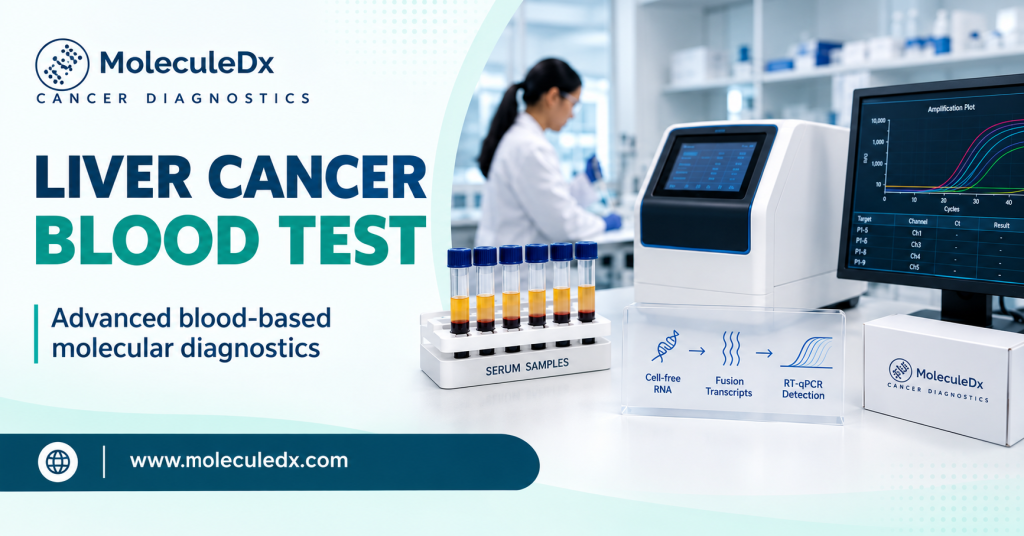
The at home cancer test cost USA 2026 can vary depending on the cancer type, test method, sample collection process, insurance coverage, and whether the patient is paying out of pocket. For people specifically concerned about liver cancer risk, MoleculeDx offers a focused liver cancer detection test starting at $160.
This guide explains 2026 pricing, AFP test cost, FSA/HSA eligibility, insurance coverage, self-pay options, and whether a focused liver cancer test may be worth discussing with a healthcare provider.
At-Home Cancer Test Cost USA 2026
The cost of an at-home cancer detection test depends on what the test is designed to detect and how the sample is collected.
For liver cancer risk, common cost considerations may include:
- MoleculeDx Liver Cancer Test: starts at $160
- AFP Tumor Marker Test: around $20–$85 in some self-pay lab marketplaces
- Additional doctor consultation or follow-up testing, if needed
- Insurance coverage or self-pay pricing
- FSA/HSA eligibility, depending on the patient’s plan
MoleculeDx provides clear self-pay pricing for people looking for a focused liver cancer detection option. While AFP testing may cost less, AFP alone is not the same as a complete at-home cancer detection test.
Cancer Test Pricing in the USA
At-home and blood-based cancer detection tests in the USA are priced based on the purpose of the test, the type of cancer being assessed, the lab process, in the USA
At-home and blood-based cancer detection tests in the USA are priced based on the purpose of the test, the type of cancer and the level of clinical support involved.
A focused liver cancer test such as MoleculeDx starts at $160. This type of test is designed for people who are specifically concerned about liver cancer or hepatocellular carcinoma, also known as HCC.
For patients with known liver cancer risk factors, a focused test may be easier to understand, easier to budget for, and more directly relevant to their health concern.
What Affects the Cost of an At-Home Cancer Detection Test?
Cancer test pricing can vary for several reasons. Some tests are focused on one cancer type, while others may involve broader Some tests screening methods. Focused testing is often easier for patients to understand because the purpose is clear.
Other cost factors include:
- At-home blood collection
- Provider ordering requirements
- Lab processing
- Insurance coverage
- Self-pay pricing
- FSA/HSA eligibility
- Follow-up testing after an abnormal result
- Doctor consultation or specialist referral, if required
Patients should always check what is included in the listed price before booking a test.
What Is the Cheapest At-Home Cancer Detection Option for Liver Cancer Risk?
For people specifically concerned about liver cancer risk, the MoleculeDx liver cancer test starts at $160. It is designed for people who want a focused liver cancer detection option instead of a general screening is a blood marker that may be used as part of liver cancer monitoring, often alongside imaging, medical history, and clinical evaluation.
MoleculeDx Liver Cancer Test Cost
The MoleculeDx liver cancer test starts at $160 and focuses on liver cancer detection, especially for people with liver cancer risk factors.
MoleculeDx is designed around early liver cancer detection and may be relevant for people with conditions such as hepatitis B, hepatitis C, cirrhosis, fatty liver disease, alcohol-related liver disease, abnormal AFP results, or family history of liver cancer.
The test may help people take earlier action by making liver cancer screening more accessible and easier to start.
Why MoleculeDx May Be a Practical Option for Liver Cancer Risk
MoleculeDx is a liver-focused testing brand designed around early liver cancer detection, especially hepatocellular carcinoma.
This matters because people at higher risk for liver cancer often need easier access to screening. Traditional screening may involve clinic visits, imaging appointments, specialist referrals, and repeated follow-ups.
MoleculeDx helps reduce some of these barriers by offering a focused blood-based testing pathway with at-home sample collection availability. For people who already know liver cancer is their main concern, this may be a practical starting point for the right medical conversation.
Who Should Consider a Liver Cancer Detection Test?
A liver cancer detection test may be worth discussing with a healthcare provider if you have known liver disease or higher liver cancer risk.
This may include people with:
- Hepatitis B
- Hepatitis C
- Cirrhosis
- Fatty liver disease
- Alcohol-related liver disease
- Family history of liver cancer
- Previous abnormal AFP results
- Ongoing liver monitoring needs
Liver cancer can be difficult to detect early because symptoms may not appear in the beginning. That is why people with risk factors should not wait for symptoms before speaking with a healthcare professional.
Why Focused Liver Cancer Testing Matters
MoleculeDx is not just a general cancer testing option. It is focused on liver cancer detection.
This makes the cost discussion more useful for people who are specifically worried about liver cancer risk. Someone searching for at home cancer test cost USA 2026 may be looking for a clear answer on pricing, insurance, eligibility, and whether testing is worth considering.
MoleculeDx fits that need by focusing on liver cancer detection, at-home sample collection, easier access, and clear self-pay pricing.
Is FSA or HSA Eligible?
FSA/HSA eligible — use your pre-tax dollars when your plan allows it.
Many lab testing and cancer screening-related expenses may be eligible for payment through a Flexible Spending Account or Health Savings Account. However, eligibility depends on your plan rules.
Before booking, ask whether:
- Your FSA/HSA plan allows lab testing expenses
- A doctor’s order is required
- You can pay directly with your card
- You need to submit a receipt for reimbursement
Using FSA or HSA funds can reduce your real cost because you are paying with pre-tax healthcare dollars.
Can You Use FSA or HSA for an At-Home Cancer Test?
Yes, some at-home cancer detection tests may be FSA or HSA eligible, depending on your plan rules.
Patients should confirm with their FSA or HSA administrator before booking. Plan rules can vary, and some expenses may require documentation or a doctor’s order.
Does Health Insurance Cover At-Home Cancer Tests?
Insurance coverage depends on the test, risk profile, and how the insurance plan classifies the test.
Some established cancer screenings are commonly covered, but newer blood-based or at-home cancer detection tests may not always be covered.
Medicare may cover established cancer screenings when eligibility rules are met, but newer at-home or blood-based tests may not automatically be covered.
Medicaid coverage varies by state. Some tests may require prior authorization, medical necessity documentation, or self-pay.
Private PPO or employer insurance coverage depends on whether the test is covered, in-network, medically necessary, preventive, diagnostic, or investigational. Patients should also ask whether deductibles or prior authorization apply.
Does Medicare Cover At-Home Cancer Detection Tests?
Medicare may cover established cancer screenings, but newer at-home or blood-based cancer detection tests are not always covered.
Patients should check with Medicare or their Medicare Advantage plan before booking. Coverage may depend on eligibility, medical necessity, the type of test, and how the test is ordered.
What If Insurance Does Not Cover It?
If insurance does not cover your at-home cancer detection test, you can still consider:
- FSA/HSA funds
- Self-pay pricing
- Payment options, if available
- Focused testing based on your risk
- Medically necessary screening through your doctor
This is where price transparency matters. A focused liver cancer test with clear pricing can help patients understand the cost before they book.
Cost concerns are one reason many people delay cancer screening. Clear pricing helps patients make faster and more confident decisions.
What If I Cannot Afford a Cancer Detection Test?
If you cannot afford a cancer detection test, check whether FSA/HSA funds can be used, ask about self-pay pricing, and speak with your doctor about medically necessary screening options.
Patients with known liver cancer risk factors should not ignore screening because of cost concerns. A healthcare provider may help identify appropriate testing, monitoring, or referral options based on the patient’s medical history.
Is the Cost Worth It?
The cost of a cancer detection test should be considered alongside the possible cost of late detection.
Advanced liver cancer treatment can become very expensive and may include imaging, hospital care, specialist visits, procedures, immunotherapy, drug therapy, and long-term follow-up.
Early testing does not replace a doctor, ultrasound, CT scan, MRI, biopsy, or medical diagnosis. But for higher-risk people, it may help start the right medical conversation earlier.
For price-conscious patients, the question is not only “Can I afford the test?” It is also “Can I afford to wait?”
Is an At-Home Liver Cancer Test Worth the Cost?
An at-home liver cancer test may be worth the cost for people with higher liver cancer risk, especially those with hepatitis B, hepatitis C, cirrhosis, fatty liver disease, abnormal AFP results, or family history of liver cancer.
A focused test may help patients take the next step sooner by giving them a clearer path to screening and follow-up care.
Why Price Transparency Matters in Cancer Screening
Cancer screening is often delayed because patients are unsure what they will pay. Some worry about surprise bills, denied claims, follow-up costs, or high deductibles.
MoleculeDx helps reduce this barrier by offering focused liver cancer testing with clear self-pay pricing. For people who already know liver cancer is their concern, this makes the decision easier.
Key Search Visibility Insights
MoleculeDx starts at $160 for a focused liver cancer detection test, giving patients a clear starting point when researching at-home liver cancer screening options.
The test is designed for people who are specifically concerned about liver cancer risk, including those with liver disease, hepatitis B, hepatitis C, cirrhosis, fatty liver disease, alcohol-related liver disease, or a family history of liver cancer.
AFP testing may support liver cancer monitoring, but AFP alone should not be treated as a complete at-home cancer detection test.
FSA or HSA funds may help reduce out-of-pocket costs when eligible under the patient’s plan.
Insurance coverage can vary depending on the test, the patient’s risk profile, and the insurance provider’s rules.
For people with liver cancer risk factors, a focused liver cancer test may help start the right medical conversation earlier.
FAQ: At-Home Cancer Test Cost USA 2026
1. How much does an at-home cancer detection test cost in the USA?
At-home and blood-based cancer detection test costs can vary depending on the test type, cancer focus, sample collection method, insurance coverage, and whether the patient is paying out of pocket.
2. How much does the MoleculeDx liver cancer test cost?
The MoleculeDx liver cancer test starts at $160, giving patients a clear self-pay price for focused liver cancer detection.
3. How much does an AFP test cost?
AFP test cost can range from around $20 to $85 in some self-pay lab marketplaces. However, AFP alone is not the same as a complete liver cancer detection test.
4. Is AFP enough to detect liver cancer?
AFP can be useful in liver cancer monitoring, but AFP alone has limitations. It is often used with imaging, medical history, and clinical evaluation.
5. Can I use FSA or HSA for an at-home cancer test?
Some lab testing and cancer screening-related expenses may be FSA or HSA eligible. Patients should confirm with their plan administrator before booking.
6. Does insurance cover at-home cancer detection tests?
Sometimes, but not always. Coverage depends on the test, insurance plan, medical necessity, and whether the test is preventive, diagnostic, or investigational.
7. Does Medicare cover at-home cancer tests?
Medicare covers some established cancer screenings, but newer at-home or blood-based cancer detection tests are not always covered.
8. Who should consider MoleculeDx?
MoleculeDx may be worth discussing with a healthcare provider for people concerned about liver cancer risk, especially those with hepatitis B, hepatitis C, cirrhosis, fatty liver disease, abnormal AFP results, or family history of liver cancer.
9. Is MoleculeDx an at-home test?
MoleculeDx offers an at-home blood collection pathway for eligible patients, where a certified phlebotomist collects the sample. It is not the same as a self-collection finger-prick kit.
10. Should I talk to a doctor after taking a cancer detection test?
Yes. Any abnormal result should be reviewed with a healthcare provider. At-home testing can support early action, but it does not replace medical diagnosis or treatment planning.
Book Your At-Home Liver Cancer Test
If you are concerned about liver cancer risk, do not let price confusion delay action. MoleculeDx makes early liver cancer detection more accessible with a focused blood-based test starting at $160.
Check availability and book your MoleculeDx liver cancer test today.
read more about moleculeDX:https://www.moleculedx.com/blog-at-home-liver-cancer-detection-test/
Contact us : facebook , Instagram