Liver Cancer in the USA: 2026 Statistics Every American Should Know
Could liver cancer be growing silently in America—and would you know if you’re at risk?
Every year, thousands of Americans are diagnosed with liver cancer, often only after symptoms appear. In 2026, an estimated 42,340 Americans are expected to be diagnosed with liver cancer, while nearly 30,980 people may die from the disease. Despite advances in treatment, liver cancer remains one of the least screened cancers in the United States.
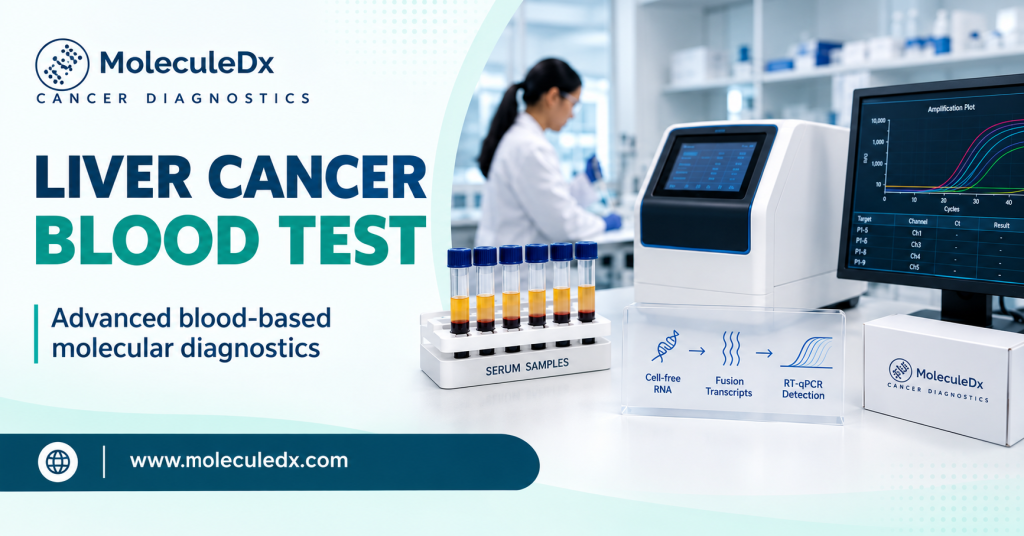
As liver cancer rates continue to rise, the need for the early detection of liver cancer has become more important than ever. Companies like MoleculeDx are helping address this challenge through innovative blood-based testing technology designed for earlier diagnosis.
Imagine a 65-year-old man with fatty liver disease who feels perfectly healthy. Without obvious symptoms, liver cancer can quietly develop for years. By the time it is discovered, treatment options may be limited. This is why awareness and early detection matter more than ever.
What Is Hepatocellular Carcinoma (HCC)?
Hepatocellular carcinoma (HCC) is the most common type of liver cancer, accounting for 75–85% of all primary liver cancer cases worldwide. It begins in liver cells called hepatocytes and usually develops after years of chronic liver damage.
Many people have never heard of hepatocellular carcinoma until they or a loved one receive a diagnosis. Yet understanding HCC is important because it represents the vast majority of liver cancer cases.
What causes hepatocellular carcinoma?
Several conditions can increase the risk of HCC, including:
What are the early symptoms of hepatocellular carcinoma?
Early-stage HCC often causes no symptoms. As the disease progresses, symptoms may include:
Because symptoms appear late, many patients are diagnosed only after the cancer has advanced.
Liver Cancer Statistics USA 2026: How Common Is Liver Cancer?
Liver cancer remains a major public health concern in the United States.
42,340 new liver cancer cases are expected in 2026.
30,980 deaths are projected from liver cancer.
The median age at diagnosis is 68 years.
The overall five-year survival rate is approximately 22%.
Unlike many other cancers, liver cancer rates have increased over recent decades due to chronic liver disease and changing lifestyles.
Liver Cancer Survival Rates by Stage
One of the strongest predictors of survival is how early the cancer is detected.
Stage I (Localized): 36% five-year survival
Stage II/III (Regional): 14% five-year survival
Stage IV (Distant): 4% five-year survival
These numbers make one thing clear: early detection saves lives.
Which US States Have the Highest Liver Cancer Rates?
States with historically higher liver cancer incidence include:
Texas
Hawaii
California
Louisiana
Mississippi
New Mexico
Alaska
Arizona
Washington
Florida
Differences in hepatitis prevalence, obesity rates, alcohol use, and healthcare access may contribute to these variations.
Who Is Most at Risk for Liver Cancer?
Are men more likely to develop liver cancer?
Yes. Men are two to three times more likely than women to develop liver cancer.
Which age group has the highest liver cancer risk?
Adults aged 60 years and older face the highest risk, with most diagnoses occurring between ages 65 and 74.
Which ethnic groups have higher liver cancer rates?
Research shows higher liver cancer rates among:
Asian Americans
Hispanic Americans
Can fatty liver disease lead to liver cancer?
Yes. Non-alcoholic fatty liver disease (NAFLD) and non-alcoholic steatohepatitis (NASH) are increasingly recognized as major drivers of liver cancer in the U.S.
Why Are Liver Cancer Rates Rising in the USA?
Several factors are contributing to rising liver cancer rates:
Unlike many cancers whose rates have declined, liver cancer continues to present a growing challenge.
How Does Early Detection Improve Liver Cancer Survival?
The numbers are striking.
Patients diagnosed at Stage I have a 36% five-year survival rate, while those diagnosed at Stage IV have only a 4% five-year survival rate.
Unfortunately, there is currently no standard nationwide screening program for liver cancer among average-risk adults. As a result, many cases are detected too late, reducing treatment options and survival chances.
Improving access to early detection could help change these outcomes.
How Is MoleculeDx Improving Early Liver Cancer Detection?
MoleculeDx is working to make liver cancer screening more accessible through blood-based testing technology designed for earlier detection.
According to the company, its technology offers:
Up to 95% accuracy
Detection of Stage I & II liver cancer
At-home blood sample collection
Results within 24 hours
Liquid biopsy technology
No hospital visit required
By identifying liver cancer earlier, technologies like these may help patients access treatment sooner and improve outcomes.
Book an Early Liver Cancer Detection Test with MoleculeDx
Liver cancer often develops silently, making early detection critical. MoleculeDx offers blood-based liver cancer detection with up to 95% accuracy, Stage I & II detection, at-home sample collection, and results within 24 hours.
Ready to take control of your liver health? Book your MoleculeDx liver cancer detection test today.
Book Your Test Now → https://moleculedx.com/
Frequently Asked Questions
What is hepatocellular carcinoma?
Hepatocellular carcinoma (HCC) is the most common type of liver cancer, accounting for 75–85% of all primary liver cancer cases.
Is liver cancer increasing in the USA?
Yes. Rising obesity, fatty liver disease, and chronic hepatitis infections have contributed to increasing liver cancer rates in the United States.
Who should consider liver cancer screening?
People with hepatitis B or C, cirrhosis, fatty liver disease, diabetes, obesity, or a family history of liver disease may benefit from discussing screening with their healthcare provider.
Why is early detection important for liver cancer?
Early-stage liver cancer has a much higher survival rate. Detecting cancer at Stage I can significantly improve outcomes compared with diagnosis at advanced stages.
How accurate is MoleculeDx?
According to the company, MoleculeDx’s liver cancer detection technology offers up to 95% accuracy for early detection.
Can liver cancer develop without symptoms?
Yes. Liver cancer often develops silently, especially in its early stages, which is why awareness and screening are important.
Is hepatocellular carcinoma curable?
When detected early, hepatocellular carcinoma may be treated more effectively through surgery, transplantation, or other therapies. Outcomes are generally better when diagnosed at an earlier stage.
Sources: American Cancer Society (ACS), National Cancer Institute (NCI) SEER Program, Centers for Disease Control and Prevention (CDC), and MoleculeDx.
read more about moleculeDX:https://www.moleculedx.com/can-liver-cancer-be-detected-by-blood-test/
Contact us : facebook , Instagram